
Heidi Henneman
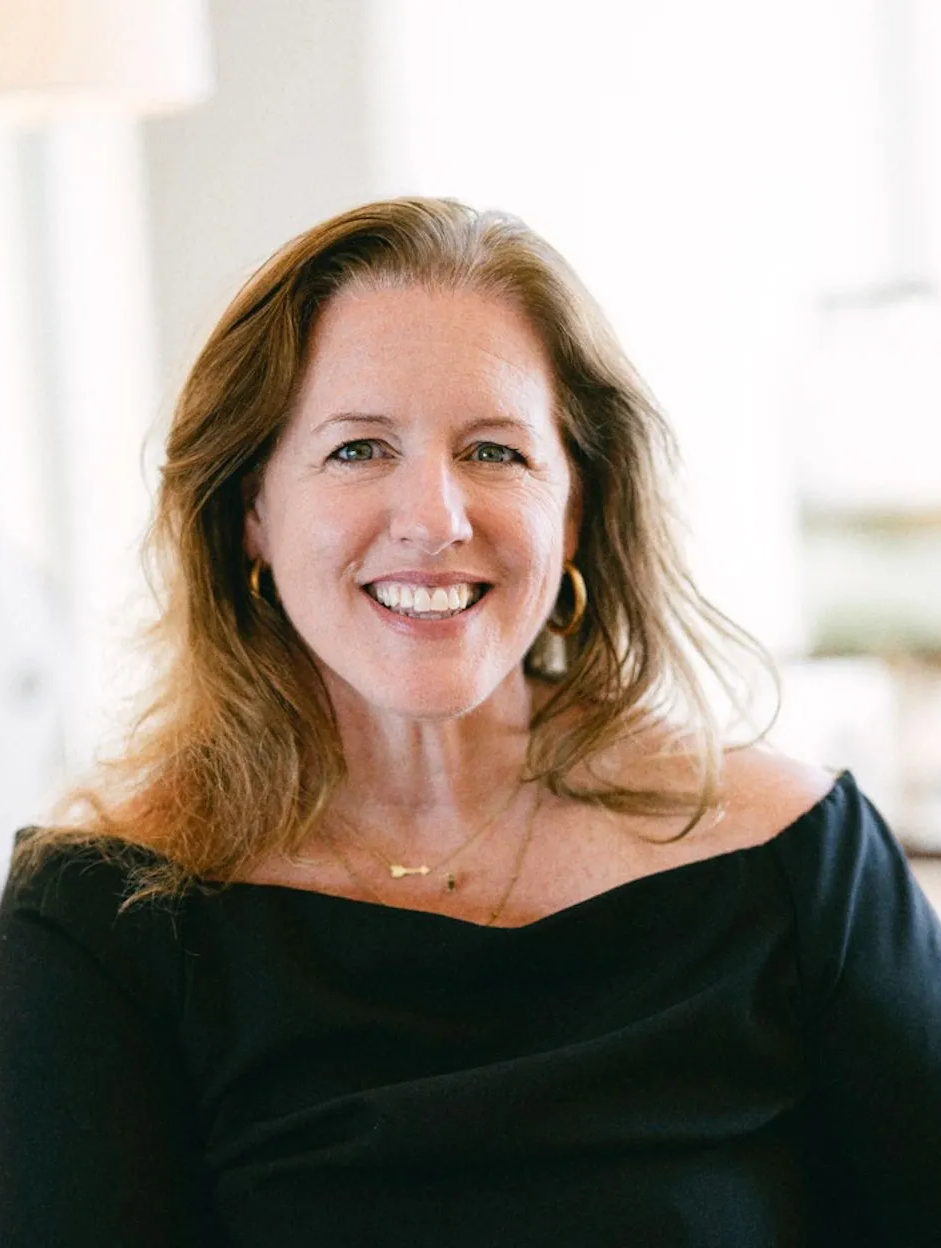
“The joy of the brand is contagious. And telling. The consumer can tell if a copywriter doesn't love the brand.”
Heidi Henneman is Co-Founder of groa°, an operating system for customer growth. A go-to-market strategist and operator, she helps founders and leadership teams connect strategy, operations, and technology to bring better products, brands, and customer experiences to market.
After more than two decades helping some of the world's leading beauty brands—including M·A·C Cosmetics, Jo Malone London, and Drunk Elephant—launch products, scale organizations, and create exceptional customer experiences, Heidi now works at the intersection of beauty, technology, AI, and consumer behavior.
Known for blending commercial strategy with human-centered storytelling, Heidi speaks regularly on the future of beauty, AI, customer growth, and brand building. She believes the next generation of successful companies won't be defined by bigger marketing budgets, but by better systems, stronger relationships, and a deeper understanding of customer intent.
She lives in Texas with her son Max and is passionate about building businesses, and lives, with purpose.
What's the current "state of the union" of the beauty industry?
There's still a lot of money on the table in beauty, and the beauty industry isn't slowing down, but I think you're going to see more brands crossing spaces.
Beauty, wellness, and longevity will come together in some way. We'll see less of the Gen A, Gen Z, and millennial trends that have been pushing the market. Gen X is the market right now that has the money to spend.
Everyone's jumping on hormonal products, GLP-1, menopause, brain health, and they're getting more and more investment. Beauty, wellness, and longevity are all tied together, and investment will follow that.
If you're just a skincare brand, or focused mainly on color, you're not going to have as much backing. You need a really unique selling proposition to catch VCs' attention. Those brands crossing into tangential industries are the ones that will be purchased.
How should beauty professionals think about Language Learning Models (LLMs) and how they are changing the shopping experience?
LLMs are creating intent. When you go into an LLM, you're asking a question like, "I want a track shoe for my fallen arches." Your intent is already there. You're looking for something specific. You're not just being fed any shoe, you're being fed that specific shoe.
Intent with LLMs is going to grow exponentially, and that's going to take away a lot of the meta ad spam that you're getting. Intent will help the growth of brands that have specific niches.
The good news is that there will be a swifter connection to purchase and a democratization of information. As we see AI expand, I'm hopeful that a small brand with a unique USP can still come into your answer after you prompt and it won’t be a case of big advertisers flooding into the responses.
You're going to have much more personalization, much more specific information for your needs. Done right, that can help both the consumer and the brand. The brand can target the exact consumer who's looking for them, rather than "spray and pray" advertising typically done on Meta ads, TikTok, etc.
I’m hoping that regulations will prevent big players from just coming in and purchasing all the GEO, but if those regulations don’t come to fruition, or weaken over time, the entire relationship between consumers and LLMs will weaken dramatically.
“In 2025, $4.8 trillion was left on the table for brands that aren’t capturing the second purchase, capturing subscriptions, or building a community with their customers.”
What should brands do to adapt their welcome logic when the buyer's trust is increasingly anchored in AI recommendations rather than a traditional ad funnel?
You've got to be talking to your consumer, whether at an experiential event, or having the founder respond directly on socials, answering questions, or having access to the brand in a meaningful way.
Those are the super important things going forward. For so many years, brands were buttoned up, perfect, showing no issues at all to their public.
Consumers want the reality. What does it really take to bring something to market? What's the story behind it? What is the reason to love that's not just an efficacy number? Give me the story behind it so I can have some actual emotion behind it. That's what brands need to achieve to be profitable.
It's not just about what your sunscreen can do. What makes me want to buy this one over that one? Are you doing something good for the environment? What's unique and personal about it? Have a conversation directly with your customers once they do make the purchase. Involve them in what's happening and really educate them.
One of the most important things a founder can do is understand their voice and what their consumer needs. And it also helps a whole lot to assemble a team that actually loves the product, loves the brand, loves the community, and loves working together.
The joy of the brand is contagious. And telling. The consumer can tell if a copywriter doesn't love the brand. Or if you're out at an event and the brand representative isn't showing the love, just going through the motions and ticking boxes. What's the point then?
What are the stakes for brands that don't adapt?
The historic funnel of marketing isn't really working the same as it used to. Typically, top of funnel was where companies spent their money. But if 70% of consumers are not returning after first purchase, that money is being wasted, so how are they making money?
If you're putting more money into getting new customers versus actually talking to the customers you have, you're betting on the wrong horse. You're not going to have the following you want. If you really focus on your retention piece and talk to people, they'll be invested in your company.
In 2025, $4.8 trillion was left on the table for brands that aren't capturing the second purchase, capturing subscriptions, or building a community with their customers. So when you talk about retention, it's not just about sending a flow or an email. It's how you specifically talk to that consumer.
Brands are now meeting customers much further along in their journey, and AI will be really helpful in addressing that. And it's what we're doing at groa°, creating an intelligence layer over Shopify and Klaviyo to capture the information the consumer is giving to brands, and then utilizing that information to inform and activate specific, personalized emails and live campaigns to secure those second, third and beyond purchases.
You want to talk to that consumer again to say, "Hey, we saw that you purchased this. How is it going?" Having a real conversation. Brands really need to lean into it because there's so much money on the table and keeping a current customer is both easier and less expensive than finding a new one to replace her.
You bought a pair of our glasses, how are they working for you? Is it the right prescription? Did you get what you needed? Do you want them in a different color? Do you like promos? Or do you respond better to feeling like a VIP? These are the questions that brands should be asking whether directly or indirectly to their customers, and responding appropriately – personally even – to those exact customer segments.
Has your messaging about yourself, your own personal brand, changed over the last few years?
I think over the last, I would say, three to four years, I've just gone out as Heidi, as opposed to I'm M·A·C, or I'm Jo Malone, or I'm Drunk Elephant.
I no longer lead with, "I'm vice president of XYZ, and I do these XYZ things." I've just gone out as myself, not the brand, which feels very freeing and opens the conversation. I'm able to present a much more holistic view of who I am and what I want to offer to the world.
I do a lot of business posts, and I also bring in my personal life because we're 360 holistic human beings who have more to offer than what the title on our business card or LinkedIn suggests.
So I've been really purposely and authentically sharing information about myself and my little guy, and how we're building a life, and how going from corporate to startup to tech has changed the trajectory of a lot of things for me.
Sometimes you need to broaden the scope of who you are, and what you are sharing with the world, so that you can maintain your authenticity – and show that we can all be a little bit more human.
What's a creative thing you've never done but want to do?
I came from the magazine and publishing world. I've been an editor and launched a magazine when I was younger. I’d love to revisit that at some point.
I think it would be great to have a magazine about founders and beauty, lifestyle and wellness. Creating that community would be really fun. I think everybody misses paper.
I personally love the smell of a bookstore. And I enjoy just sitting down and opening a magazine to thumb through it. I can see myself going back to that at some point…or writing children’s books. Because, why not?
What do you tell creatives when they ask about AI?
The one thing that AI can't really do well is creativity. And I think that's going to be an interesting time in the next five to ten years for creatives to really grow.
AI can take away calculations and repetitive things, but the creative juices don't flow through AI, they flow through humanity. And the human touch will be even more important as we enter this next era of creativity.
There's a beauty in really marking out your creative space and saying this is who we are, and this is how I feel. Now is the time for unique individuals who will positively carry that weight.
That extends to product development. A unique product and perspective is really important. More SKUs for the sake of more SKUs is going away. It takes away authenticity if you're always just trying to hit the next sales cycle. Just try to make the best possible thing ever.