
Truth in the age of AI
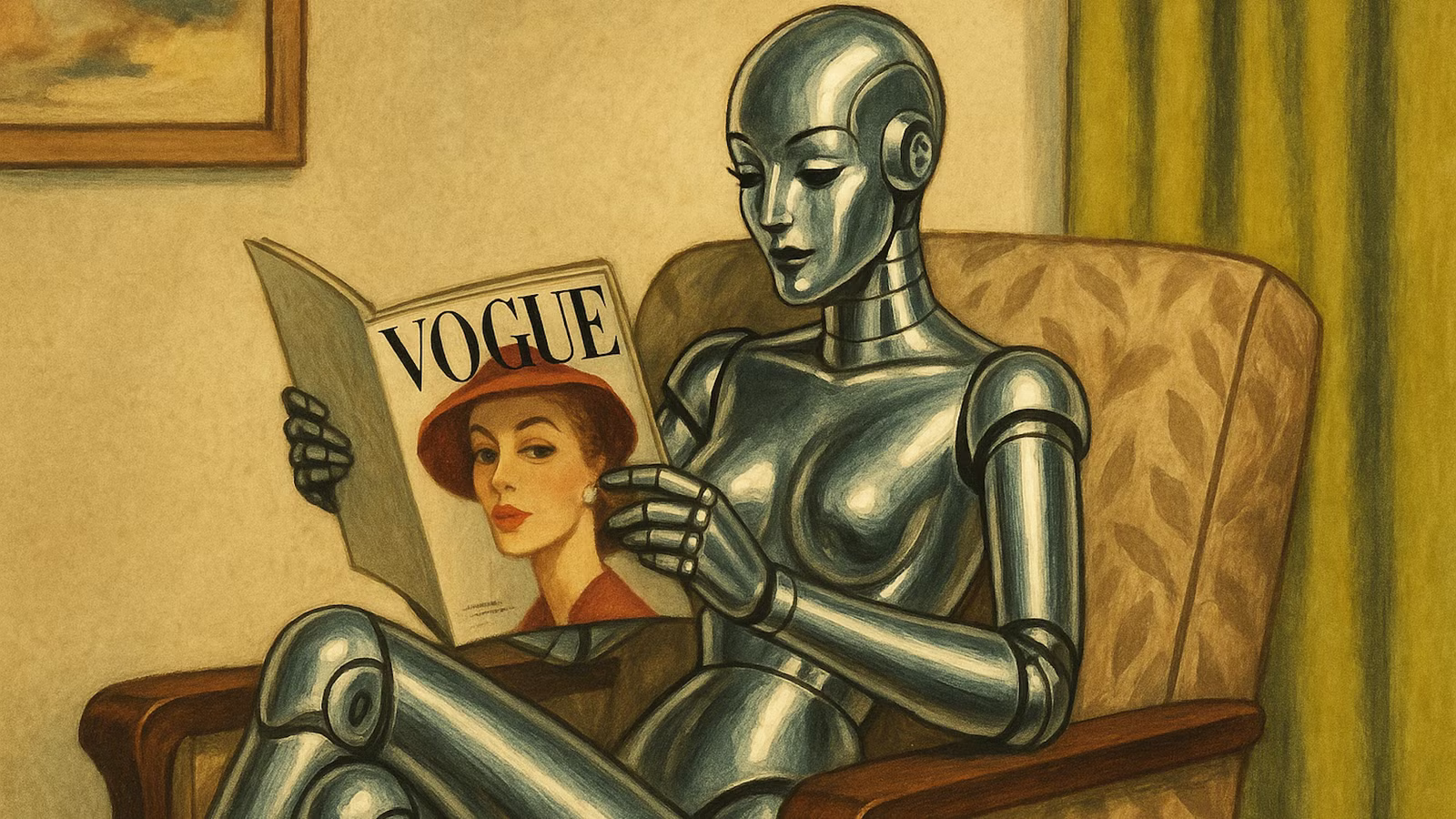
We collaborate with so many brands in the travel and hospitality industry, and reconnected with many of them in person last week at the 2025 Phocuswright Conference. We love the intersection of these spaces because both industries represent apex aspiration: Beauty explores self-aspiration, and travel is all about the aspiration of experience. They each play into our collective desire to feel into—and live—our ideal lives.
AI was, of course, the topic of the day, since it’s already infiltrating everything on the front and back end of the consumer experience: hyper-personalized recommendations, virtual try-ons, guided discovery, virtual assistants, visual search, customized pricing, optimized marketing campaigns, fraud detection, and on and on.
But in all the talk of funnels and seamless experiences, one belief came up in every conversation, panel, and happy hour. The future of brands will come down to something fiercely elemental: trust.
Brands will survive the AI revolution by dedicating their resources and messaging to building trust-based connections with customers. Are you real and authentic? Can customers believe your recommendations and product reviews? Is what you say about efficacy in your PDP copy proven? Can people trust your motives and goals as a brand
Trust, of course, is hard-earned, and it can be easily broken. Customers must believe the system is acting in their best interest, not just optimizing them for profit. Even the smallest failures in retail communication will affect confidence. Consumers trust AI most when they know a human can step in at any part of the purchasing journey, especially for complex, emotional, or high-stakes decisions.
A TikTok executive noted that while there’s been a surge in AI content, users still want recommendations from humans. 67% of their users say the most important recommendation they receive for travel comes from a fellow traveler.
That personal connection isn’t confined to travel; it applies to every beauty and lifestyle brand, every consumer choice we make. Trust needs to be established by a human connection, especially via screens, where all claims, images, copy, and purchasing options are flattened. It requires a voice that is unquestionably human, with all the creases and personality that entails.
It’s intriguing—and hopeful—that such a disruptive technological force will require us to be more human. Consumers are voicing this desire loud and clear: the more flattened non-reality takes over our communication systems, the more people crave human dialogue. The more the world is automated, the more we hunger for intelligence that is anything but artificial.